How to Choose the Right Vacuum Fittings for Optimal Efficiency
Picking the right vacuum fittings can seem tricky, but it doesn’t have to be. First, you must think about the size. The fitting has to match the size of the hoses and pipes you already have. If it’s too big or too small, air won’t flow correctly. Think about the material too! Some fittings are made from plastic, while others are metal. Metal might be better for high heat, while plastic is often lighter and cheaper. Also, consider the design. Different systems need different shapes of fittings. For example, you might need a straight fitting to connect two hoses or an elbow fitting to change the direction. This can make a big difference in how well your system works.
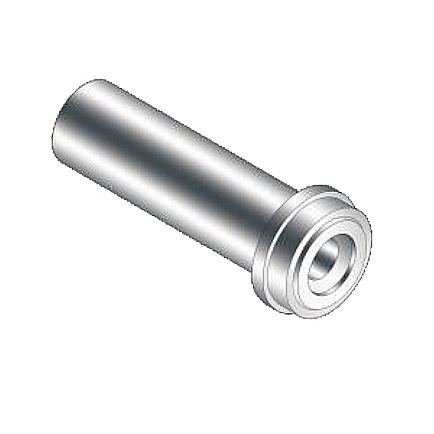
Another tip is to check the pressure rating of the fittings. This tells you how much suction they can handle before they break. Choosing fittings that can handle more pressure than what your system uses is always a good idea. If the pressure rating is too low, you could have leaks. Don't forget about maintenance! Some fittings need a bit more care than others. Easy-to-clean fittings can save you time and money in the long run. When you choose fittings, always ask yourself: “Will this help my system run better?” Taking the time to pick what fits best will help your vacuum system work more efficiently for a long time.
How Vacuum Fittings Impact the Performance of Industrial Vacuum Systems
Vacuum fittings play a big role in how well an industrial vacuum system works. If the fittings are not good, you might see a drop in performance. It’s like trying to drink through a straw that is too narrow; it slows you down! When your fittings are good, they allow air to flow smoothly. This is how vacuum systems suck up dust, dirt, or any unwanted materials from production areas. Poorly made fittings, however, can lead to leaks. This means not all the air will be collected properly, affecting production quality.
Moreover, the right fittings can actually improve energy efficiency. When air moves easily through the system, it takes less energy to operate the vacuum. This is not just better for the environment but also saves money on energy bills. It’s all about efficiency! On top of that, high-quality fittings can make a vacuum system last longer. They endure wear and tear much better than cheaper options. If you don’t have to replace fittings often, you save even more money and hassle.
It's also important to consider the impact on safety. Good fittings reduce the risk of accidents. A sudden air leak can cause a vacuum system to stop working, which might lead to dangerous situations. Choosing reliable fittings adds an extra layer of safety to your work environment. In short, the fittings you select are not just little parts; they have a huge impact on how effectively your industrial vacuum system works. QiMing believes everyone in manufacturing should pay attention to these fittings to ensure smooth and safe operations.
When dealing with vacuum fittings in tough places, choosing the right materials is very important. Some environments have extreme temperatures, chemicals, or even a lot of dirt. Because of this, the materials used in vacuum fittings must be strong and able to withstand these challenges. For industries like food processing, chemicals, or pharmaceuticals, stainless steel is a great choice. It is very strong and does not rust easily. This means it can last a long time and keep working well. At QiMing, we offer fittings made from high-quality stainless steel to meet these needs.
Another option is plastic, which can be good in some situations. For example, if there are chemicals involved, special types of plastic called PVC or PTFE can be very useful. These plastics resist many different chemicals, keeping the vacuum system working safely. However, even though plastic is lightweight and often less expensive, it can crack or wear out in extreme heat. Therefore, it’s very important to think about the specific environment where the fittings will be used. At QiMing, we know how crucial it is to pick the right materials, and that’s why we offer a range of options to suit both metal and plastic needs.
Another thing to think about is how to make sure vacuum fittings work with different systems. Not every vacuum system is the same, so being able to connect parts together is key to making everything run smoothly. When choosing fittings, one important factor is the size and shape of each part. QiMing provides a variety of fittings in different sizes to help connect various parts. This way, even if different brands or types are used, they can High Purity Tubes & Fittings still work together without any problems.
Another aspect of compatibility is the type of vacuum being created. Different systems might create more or less vacuum pressure. It’s essential to choose fittings that can handle the level of pressure your system will experience. At QiMing, we guide customers on finding the right fittings, taking the vacuum pressure into account. This helps ensure that every part of the system fits together and performs as it should. To make everything easier, we also offer clear guides pipe flange and diagrams to help customers understand what they need.
When working with vacuum fittings, there are some things to avoid. One common mistake is choosing the wrong material. For instance, using a standard type of steel in an environment with corrosive chemicals can lead to big issues. The steel can rust, and the fitting could break, which wastes time and money. QiMing advises sticking to high-quality materials suited for the specific needs of the environment.
Another thing to avoid is ignoring the size of the fittings. If one piece is too big or too small compared to the others, it can cause leaks or make the system inefficient. Always make sure to double-check sizes before buying. Lastly, using pipe and flange fittings without considering the pressure can lead to serious problems. For that reason, it’s essential to understand the system's vacuum pressure requirements. QiMing recommends speaking to an expert if you are unsure, to make sure you get everything right. Following these tips can help ensure that your vacuum system works well without problems.